At The Benalmádena International College, student safety, wellbeing and protection are part of the school’s day-to-day life. Safeguarding is not limited to intervening when a problem arises: it involves maintaining a safe, respectful and emotionally stable environment in which every student can learn and develop with confidence.
This commitment is reflected in the school’s overall wellbeing approach and in specific policies such as Anti-Bullying, e-Safety, First Aid and Wellbeing, and Safeguarding & Child Protection.
What safeguarding means at The BIC
Child protection covers far more than bullying. It includes any situation that may affect a child’s physical, emotional or social integrity: violence, neglect, intimidation, exclusion, cyberbullying or any other form of abuse.
From this perspective, wellbeing is not an added extra, but a foundation for learning and living together. That is why the school works through prevention, observation and responsible response, promoting a culture of respectful treatment, listening and positive relationships.
The legal framework in Spain
In Spain, this responsibility is underpinned by Organic Law 8/2021 on the comprehensive protection of children and adolescents against violence (LOPIVI), as also reflected by the Observatorio de la Infancia.
The law strengthens prevention, early detection and intervention in response to any form of violence against minors. In the educational sphere, it requires protocols for abuse and mistreatment, bullying, cyberbullying, sexual harassment, gender-based violence, domestic violence, suicide, self-harm and other situations of risk. These protocols must be applied in all educational settings, whether state or independent, and must be activated both when signs are detected and when the child themselves reports the facts.
This framework is complemented by international instruments in force in Spain, such as the Convention on the Rights of the Child, which requires children to be protected from all forms of violence, and the Council of Europe’s Lanzarote Convention, focused on preventing sexual violence and protecting victims.
How this protection is applied in the school environment
At The BIC, the protection of students must be integrated into the school’s daily life. This requires clear policies, well-known procedures, appropriate training and an informed educational community. The school’s website highlights this commitment to a safe, welcoming environment centred on student wellbeing.
Effective protection does not depend solely on “having a protocol”, but on how students are listened to, how they are supported and how action is taken when a pupil needs help.
The role of teaching and professional staff
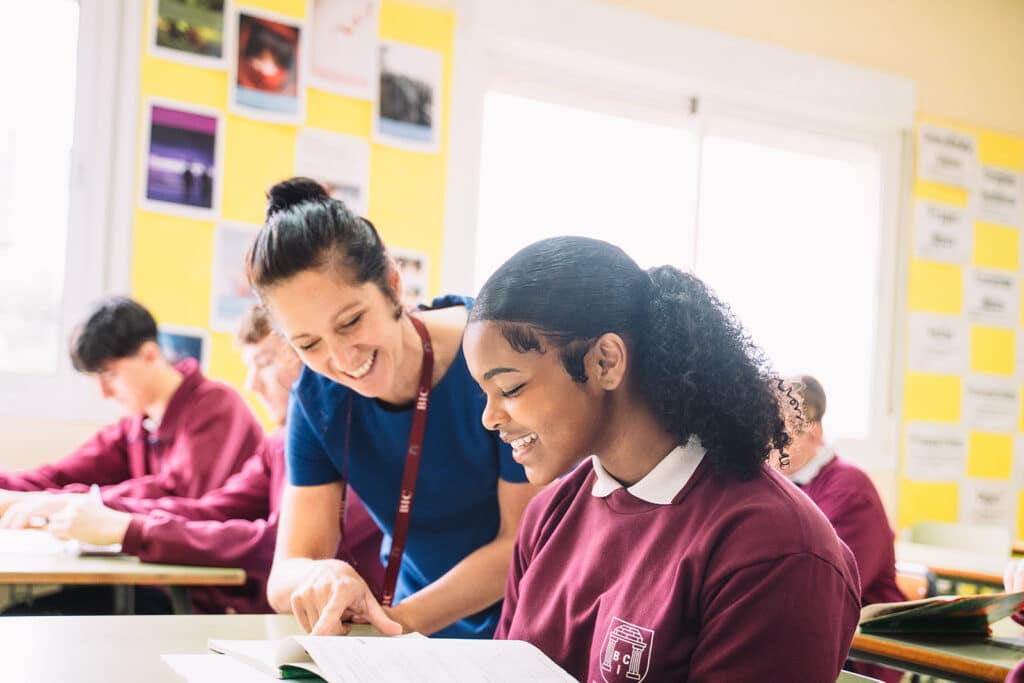
Teaching and professional staff play a key role because they maintain direct and ongoing contact with students. Their role is essential in identifying warning signs, recording relevant information, reporting it through the established channels and helping to ensure that the environment remains safe.
LOPIVI reinforces this responsibility through a heightened duty to report. Those who work with minors and detect signs of violence must report them immediately to social services and, where there is a risk to the child’s health or safety, also to the Security Forces and Corps and/or the Public Prosecutor’s Office.
Among their main responsibilities are:
- Detecting risks and warning signs.
- Promoting an inclusive and respectful environment.
- Offering listening, initial support and internal referral when necessary.
Emotional wellbeing and mental health
Emotional wellbeing is a basic condition for learning, participating in class and relating in a healthy way to peers and adults. At The BIC, it should not be understood as an isolated area, but as a cross-cutting dimension of the educational experience.
Coexistence, inclusion, emotional stability and a sense of belonging all form part of a complete education.
How a safe and positive environment is fostered
A safe school environment is built through clear rules, respectful relationships, active observation and spaces in which students can express themselves with confidence. Prevention is supported by communication between students and teachers, by dynamics that encourage integration, and by a classroom culture that does not normalise ridicule, exclusion or humiliation.
This approach is aligned with the school’s coexistence plan and with the protocols required by law to respond to different forms of violence.
Emotional education and personal development
Personal and emotional development is strengthened when the school offers experiences that help students to know themselves better, manage what they feel and relate to others in a healthier way. Workshops, group dynamics and cooperative activities can strengthen self-esteem, confidence and a sense of belonging within the group.
Emotional education also helps to prevent conflict. Learning to identify emotions, tolerate frustration, ask for help, show empathy and resolve disagreements without violence improves both individual wellbeing and school coexistence.
Early detection and warning signs
Early detection is one of the most important principles of safeguarding. The sooner a difficulty is identified, the sooner support can be offered and the situation prevented from worsening.
LOPIVI places particular emphasis on early detection, coordination across different sectors, and the existence of communication mechanisms that are accessible to children and adolescents. It also establishes that schools must provide visible and understandable information about the procedures for reporting possible situations of violence.
Some warning signs may include sudden changes in behaviour, isolation, persistent sadness, anxiety, irritability, rejection of the school environment, sleep disturbances, somatic symptoms or loss of interest in usual activities. No isolated sign on its own proves a situation of violence or bullying, but it may justify observation, listening and follow-up.
Procedures in cases of bullying and situations of risk
In matters of bullying, it is essential to distinguish between an isolated conflict, inappropriate behaviour and sustained bullying. This assessment must be made in accordance with the regulations and applicable protocols, not on the basis of improvisation.
The law requires specific action, reporting systems and coordination between professionals, as well as specific responses for cases related to disability, mental health, age, origin, racism, sexual orientation, gender identity or expression, and also where bullying takes place through new technologies or mobile devices.
Coordination with mental health services and external resources
When a situation goes beyond the school’s ordinary support, coordination with the appropriate resources is essential. Protecting the child requires an interdisciplinary approach and action connected with the family and, where appropriate, with social or health services.
LOPIVI expressly provides for this coordination between education, healthcare, social services, the Security Forces and Corps, and the judicial sphere.
The support of psychologists and other specialised professionals can be decisive in assessing an emotional difficulty, guiding the child and ensuring continuity of intervention without stigmatising them.
In the event of a crisis, the response must be immediate, proportionate and centred on the student’s safety, activating the corresponding internal pathway and reporting the situation in accordance with the protocol and the law.
Staff training and the role of families
Effective protection requires a trained and committed educational community. Prevention works best when the school works together with staff, students and families.
In the educational sphere, LOPIVI links this work to the role of the student wellbeing and protection coordinator, who must promote training plans aimed at school staff, students and families as well, in coordination with parents’ associations.
Staff training must be regular, practical and adapted to the reality of the school. It should help staff to identify warning signs, understand the protocols, respond appropriately to a disclosure or suspicion, and understand their duties of reporting and protection.
The law also requires special attention to safety in recruitment, prohibiting people with records in the Central Registry of Sexual Offenders and Human Trafficking from working in professions or trades involving regular contact with minors, with the corresponding negative certification in the cases provided for by law.
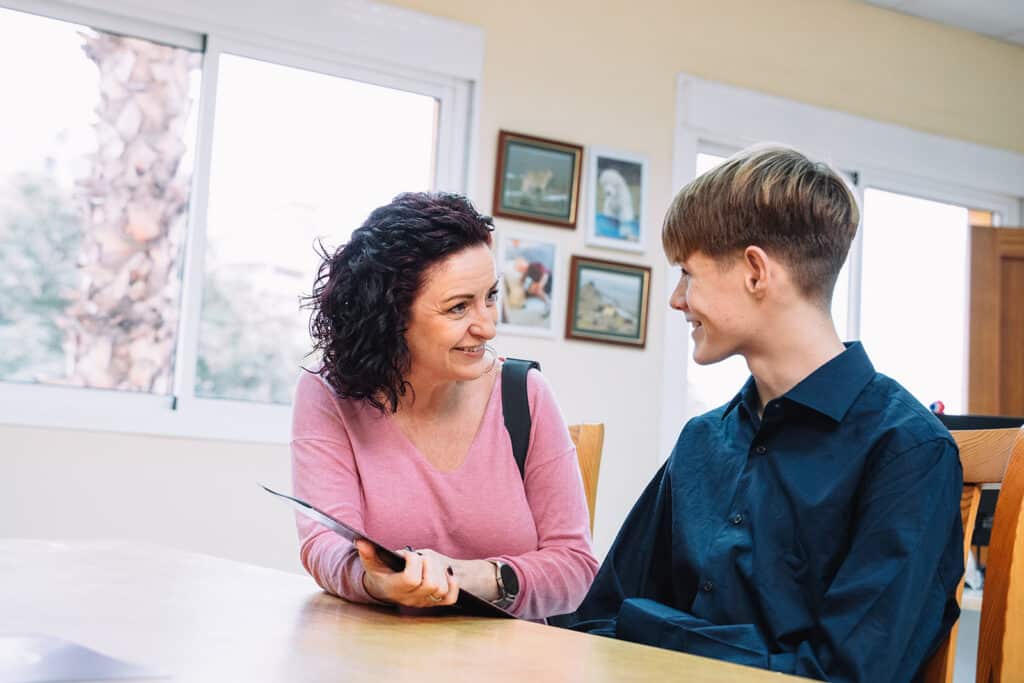
Families, for their part, are an essential pillar in any preventive strategy. They detect changes outside the school environment and provide key information for earlier and more coherent intervention. Active listening, tutorials and clear channels of communication between school and home reinforce trust and facilitate the detection of situations that require attention.
Specialist teams and action protocols
The management of a situation of risk must be supported by structure, coordination and clarity of roles. An effective system does not depend on improvised decisions, but on clearly defined responsibilities, updated protocols and an institutional culture that prioritises the protection of the child.
That is why it is important for the educational community to be aware of the existence of these measures and for the school to keep its School Policies visible.
Within the Spanish legal framework, the most clearly defined role is that of the student wellbeing and protection coordinator, which is mandatory in all schools with underage students. Their duties include promoting training, coordinating cases that require intervention by social services, acting as the main point of reference in communications related to possible situations of violence, fostering a culture of respectful treatment, and coordinating the coexistence plan with the leadership team.
Any incident must be managed with discretion, respect for the child’s privacy and compliance with data protection regulations. Confidentiality implies the responsible handling of information, proper documentation and the absence of unnecessary exposure. The law also provides for immediate notification to the Spanish Data Protection Agency when a situation may involve the unlawful processing of minors’ personal data.
Healthy habits and holistic wellbeing
Wellbeing is also built through everyday habits. A balanced diet, physical activity, rest and healthy routines directly influence emotional regulation, attention and the ability to learn.
It is no coincidence that LOPIVI includes, among the minimum duties of the wellbeing and protection coordinator, the promotion of a healthy and nutritious diet, which is especially important for the most vulnerable students.
This approach is also reflected in The BIC’s public information through its dining service and its commitment to balanced and nutritious menus as part of the school experience.
Regular physical activity encourages socialisation, helps release tension and strengthens skills such as cooperation and respect for rules. Adequate rest, meanwhile, influences concentration, mood and tolerance of frustration. Within a safeguarding approach, protection also means paying attention to these daily factors that sustain the student’s physical and mental balance.
Support networks inside and outside the school
Support networks between the school, the family and external resources are essential in order to detect, prevent and respond effectively. The whole educational community contributes to creating a safe environment: teachers, school staff, students and families all share a culture of respect, listening and responsibility.
When a case requires external support, collaboration with local social, health or specialist resources makes it possible to extend the school’s capacity to respond and to guarantee care that is properly suited to the child’s needs.
The involvement of families in follow-up is also decisive. When home and school share relevant information, objectives and support guidelines, the student perceives greater stability, understanding and support.